What The FCC Router Ban Means For Broadcasters
The FCC’s move to add foreign manufactured consumer grade routers to the “covered list” is a wake up call for broadcast engineering and station IT. The practical impact is less about ripping gear out of racks and more about the supply chain: new router models tied to manufacturing outside the United States may need government approval before they can be sold. For radio stations, especially small and mid market operations that rely on budget networking, this raises urgent questions about network security, compliance risk, and business continuity. If a critical router fails during morning drive, the problem is not political or theoretical, it is dead air, lost revenue, and a long day of emergency fixes. Keywords that matter here include FCC covered list, router ban, broadcast network security, consumer routers, and telecom equipment authorization.
The good news is that “enterprise grade” networking is not the only path to stability. Open source firewall and routing platforms like pfSense and OPNsense can deliver serious capability on modest hardware, including VPN tunnels, VLAN segmentation, DHCP and DNS services, intrusion detection, and robust firewall and NAT rules. A basic PC with a reliable Intel network interface card can be turned into a surprisingly capable router, and many engineers keep an older known good box as a swap in backup because speed matters when something breaks after hours. For remote access, WireGuard has matured into a strong option for secure connectivity and remote staff workflows. At the same time, owning your own open source infrastructure means owning the support burden, so it can be smart to bring in a local MSP that will support an open source stack under contract. The goal is not to build a perfect lab, it is to stay on the air with dependable routing, secure remote access, and a plan you can defend to management.
A separate story shows why basic compliance and maintenance still matter as much as any new rulemaking. An FCC inspection of an AM station in New Jersey produced a notice of violation with multiple failures at once: tower lighting issues, lapsed FAA notices, blocked tower access due to brush, incorrect operating power, and even EAS equipment that would not power on. Engineers recognize the pattern: stretched resources, too many sites, tight budgets, and small problems that keep getting deferred until the FCC shows up. The takeaway is painfully simple and highly actionable: walk the site, verify obstruction lights, confirm EAS functionality, review logs and required weekly and monthly tests, make sure authorized power matches reality, and clear vegetation so the towers are accessible. Preventive maintenance is “boring” until it becomes a federal problem, and then it becomes expensive.
On the technology side, the FCC’s HD Radio digital power updates are a meaningful operational improvement for FM engineers. The shift to asymmetric sidebands allows stations to run different digital power levels above and below the analog carrier, protecting a neighbor where necessary while pushing coverage where spectrum conditions allow. The rules also simplify raising digital power up to minus 10 dBc, changing what used to require special authorization into a notification process using FCC Form 2100 Schedule 335 FM for eligible stations. There is an important limitation: as described, this approach applies to stations at 106.9 MHz and below, while stations at 107.1 MHz and above remain under the older framework due to interference concerns near 108 MHz. If you operate HD, it is worth a conversation with your consulting engineer because better digital coverage can be one form away.
Finally, the C band satellite distribution outlook is getting tighter. With legislation pushing the FCC toward auctioning additional C band spectrum by mid 2027, stations that still depend on C band for program distribution should be actively planning a transition. For larger markets, fiber backed IP delivery and managed IP distribution can be a solid replacement, especially with improved redundancy options. But the pain will not be shared equally. Many rural stations and small market broadcasters still lack reliable fiber choices, or they have only one mediocre provider that is not trustworthy for mission critical feeds during emergencies. Those stations are often the only local media source during storms and real community events, yet they may face the harshest “C band squeeze.” The key theme across router policy, compliance, HD Radio rules, and C band planning is resilience: inventory what you have, prioritize what is critical, get pricing and options in writing, and start moving before the next outage forces the timeline.
 Eric Revell
 Simon Hill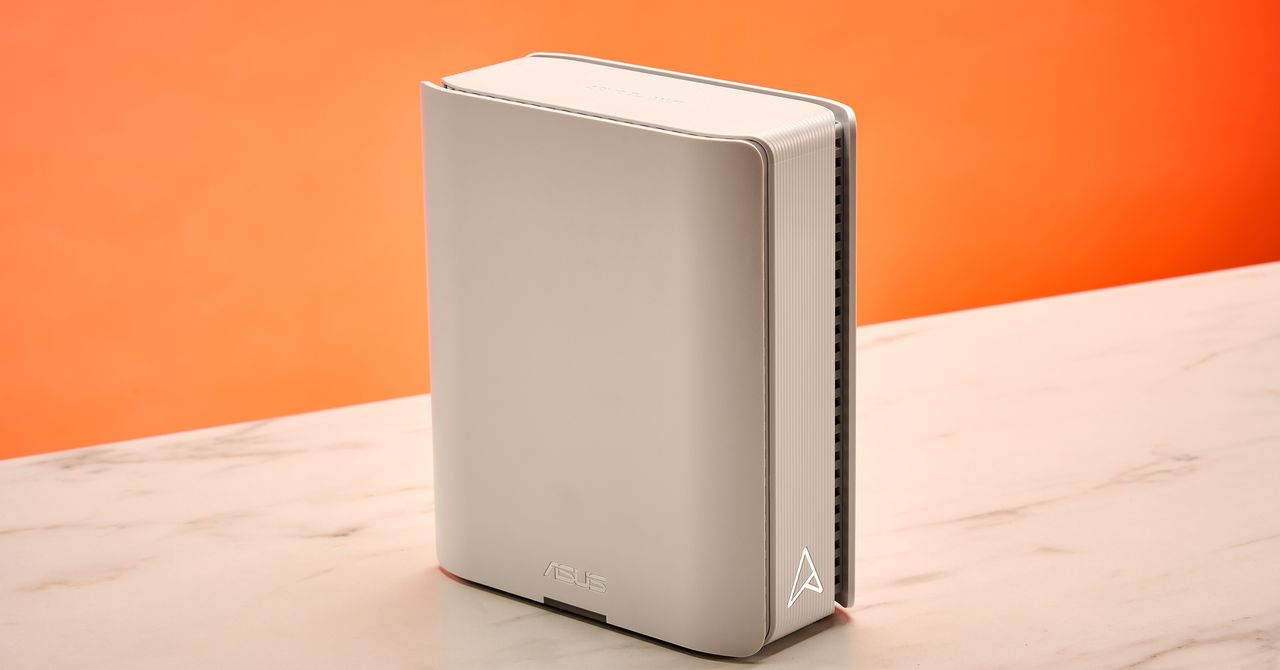
 Nick Langan
 Lance Venta
 RW Staff
 RW Staff