
FM radio might seem straightforward, but hidden within every station’s broadcast is a little-known data stream called RDS. Ever wondered how your car displays the song title or alerts you to traffic updates? In this post, we’ll delve into the Radio Data System (RDS) and its American counterpart, RBDS, exploring their history, functionality, and continued relevance in today’s digital age.
What is RDS and RBDS?

RDS, or Radio Data System, is a protocol that allows FM radio stations to transmit data alongside their audio signals. RBDS (Radio Broadcast Data System) is its American adaptation. Despite being designed in 1984, RDS remains a fundamental part of FM radio, enabling features like song title display and traffic updates. While it may seem like a simple feature, the underlying technology is intricate and fascinating.
The Evolution of RDS
RDS was introduced following a decade of development by the European Broadcasting Union, culminating in 1984. The first commercial RDS radios hit the market in 1987, and by 1993, RBDS standards were established in the U.S. This protocol has survived numerous technological changes, proving its durability and adaptability.
How RDS Works
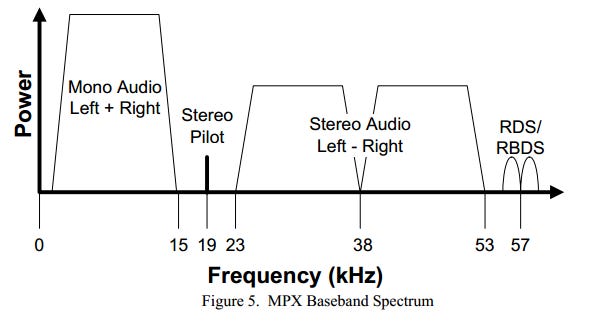
FM radio signals have a specific structure that allows them to carry additional data. RDS functions by embedding a 57 kHz subcarrier within the FM signal, which is decoded by the radio receiver. This allows for the transmission of essential information, such as the station’s name and song details, while maintaining audio quality. RDS operates at a modest data rate of 1.2 kbps, which is relatively low compared to modern streaming services but serves its purpose well in the FM context.
Why RDS Matters Today
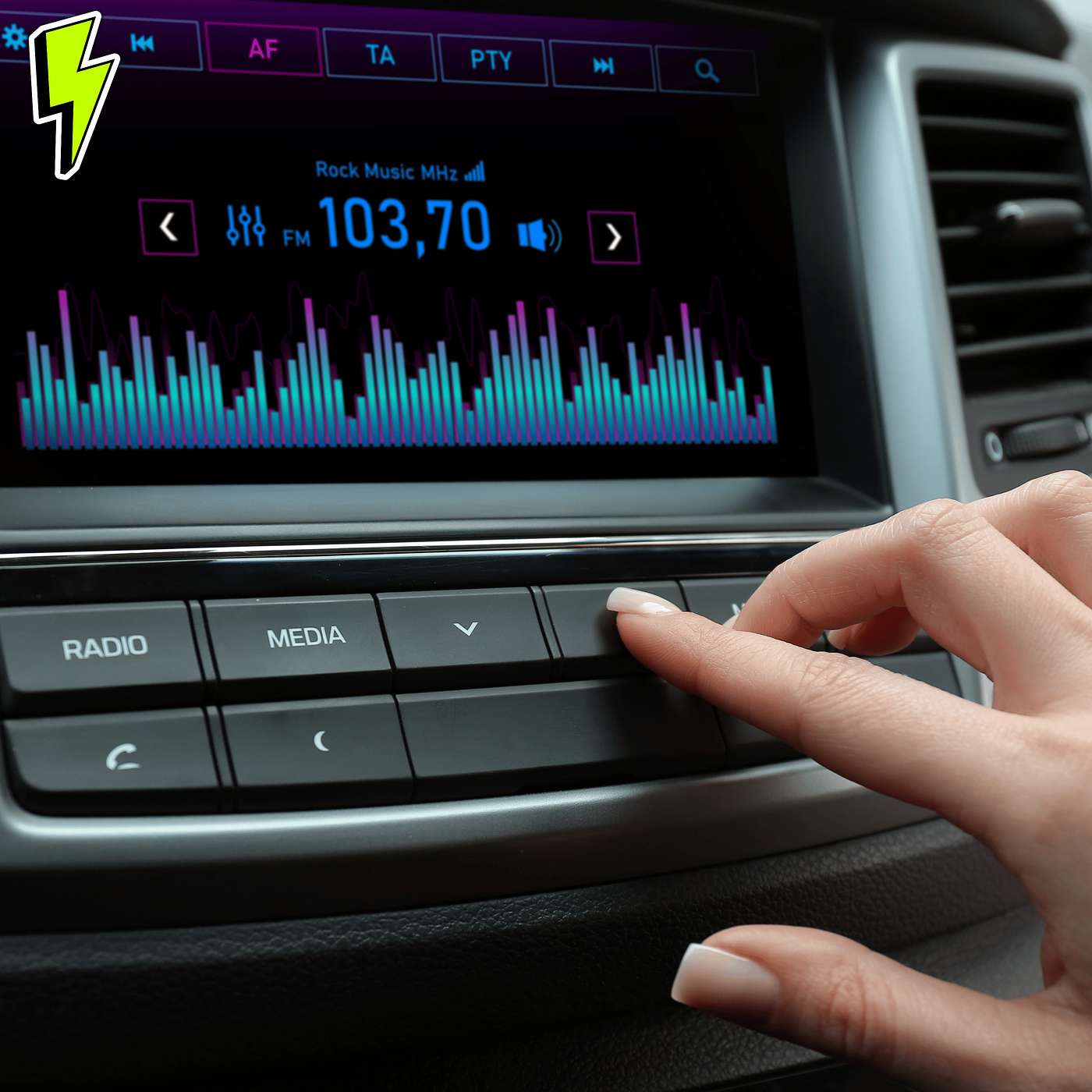
Even though RDS is a decades-old technology, it continues to play a vital role in modern broadcasting. It enables essential services, such as emergency alerts, and enhances user experience by providing real-time information. The Pi code, a unique identifier for each station, facilitates the connection between broadcast signals and digital databases, allowing for enriched metadata like album art and artist details to be displayed in vehicles equipped with modern infotainment systems.
The Future of RDS
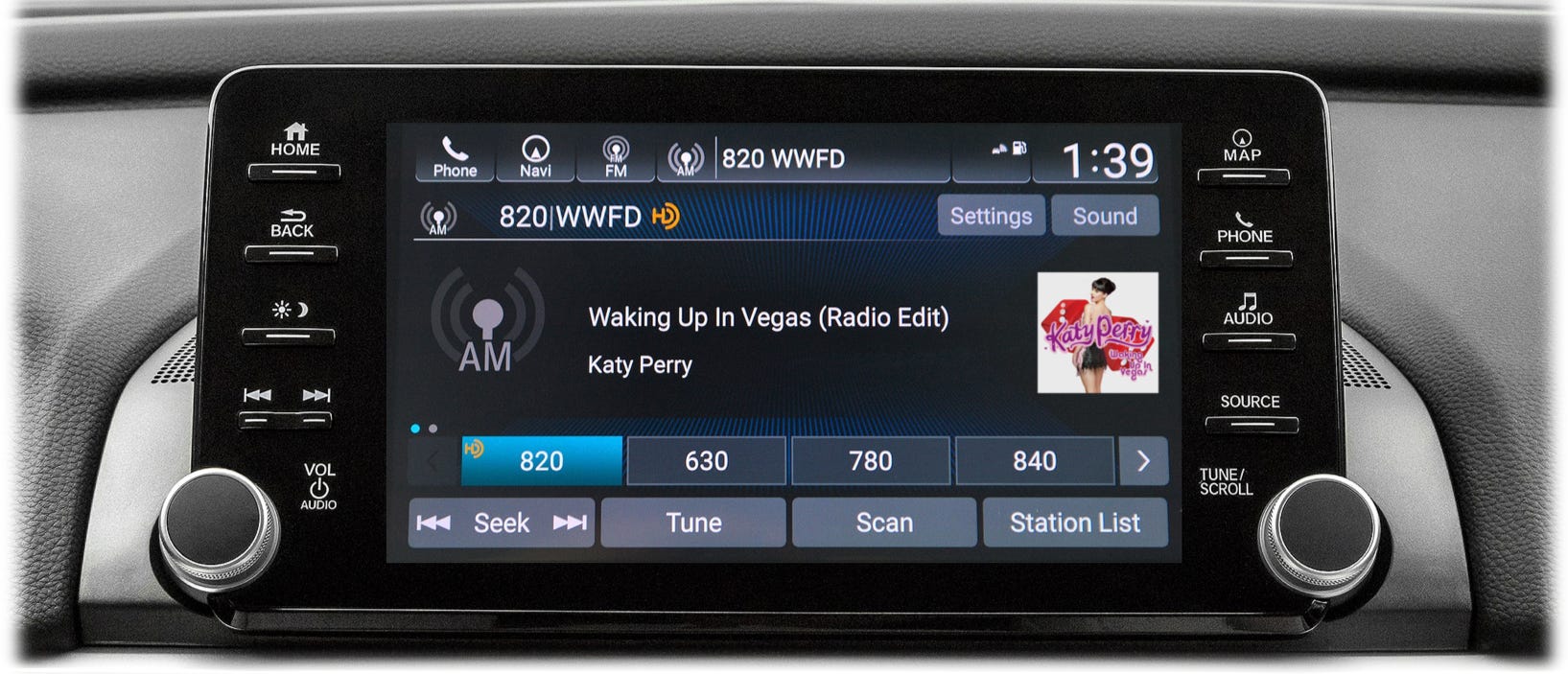
As technology evolves, questions arise about the future of RDS. Despite its limitations, such as the eight-character display restriction, RDS remains integral to FM radio. The system adapts to newer technologies, such as HD radio, which expands the capabilities of radio broadcasting. However, some features, like the TMC traffic service in Europe, are facing obsolescence, highlighting the need for continuous innovation within the system.
Key Takeaways
RDS and RBDS are crucial for enhancing the FM radio experience, providing vital information to listeners.
The technology has proven resilient, maintaining relevance over 40 years despite the rapid evolution of media consumption.
Understanding RDS helps appreciate the complexity behind everyday FM radio features, such as song displays and traffic alerts.
In conclusion, RDS might not be at the forefront of modern technology discussions, but it remains a cornerstone of FM radio broadcasting. If you’re curious about your local FM station’s data stream, consider using an SDR app to explore RDS transmissions for yourself. This exploration could lead you down a fascinating rabbit hole of radio technology.
Frequently Asked Questions
What is the purpose of RDS?
RDS provides additional information alongside FM radio broadcasts, such as song titles, artist names, and traffic updates, enhancing the listener’s experience.
How does RDS work?
RDS transmits data by embedding a subcarrier within the FM signal, which is decoded by compatible radio receivers to display information.
Why is RDS still relevant today?
RDS continues to be relevant as it supports essential services like emergency alerts and enhances user experience in modern vehicles with infotainment systems.